Why Wrinkles Can Seem to Appear Overnight—and What Actually Helps
6/26/20262 min read
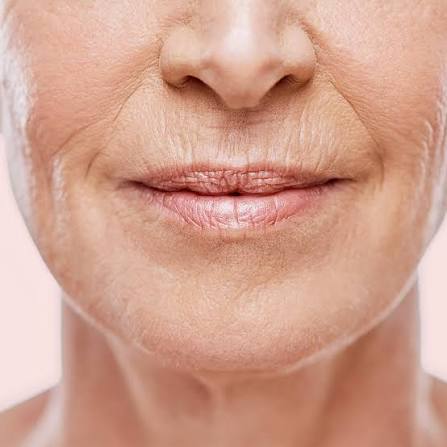
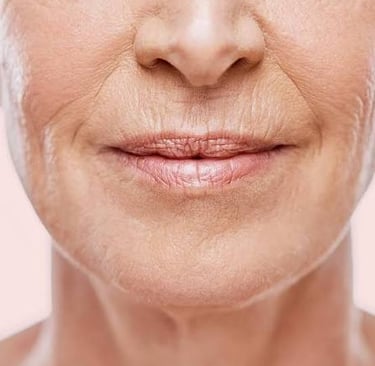
You catch your reflection and wonder when your face started looking so tired. It can feel like the person in the mirror aged faster than you expected, even though you've done your best to take care of your skin.
That feeling is more common than most people admit. Using moisturizer every day, wearing sunscreen, and following a skincare routine should count for something. So it's frustrating when fine lines still deepen and your skin doesn't seem to bounce back the way it once did.
Part of the reason is that wrinkles don't develop because of just one thing. They're the result of several changes happening at the same time.
As you get older, your skin naturally produces less collagen and elastin. These proteins give skin its firmness and flexibility. Your skin also becomes thinner and loses moisture more easily. Years of sun exposure, repeated facial expressions, poor sleep, smoking, stress, and even genetics all influence how quickly these changes become visible.
That's why two people the same age can have very different skin.
This also explains why a single cream rarely delivers dramatic results on its own. Moisturizers help support the skin barrier and reduce dryness, which can make fine lines look less noticeable. Sunscreen protects against further UV damage. Ingredients like retinoids, vitamin C, peptides, and niacinamide have evidence supporting their role in improving skin texture over time, but they require consistency and realistic expectations.
One overlooked factor is recovery. Your skin repairs itself while you sleep. Chronic lack of sleep and ongoing stress can interfere with that process, leaving skin looking dull and tired even before permanent wrinkles form.
A woman I once spoke with described feeling defeated because she never skipped sunscreen and still noticed new lines around her eyes. After talking with her dermatologist, she realized she had been focusing only on products while overlooking sleep, sun habits accumulated over decades, and normal age-related collagen loss. Understanding the whole picture helped her set expectations that felt realistic instead of discouraging.
The biggest shift often comes when you stop treating wrinkles as a single surface problem and start understanding the changes happening throughout the skin.
That doesn't mean every wrinkle can be erased. It means you can make decisions based on how skin actually ages instead of chasing promises that sound too good to be true.
If your wrinkles concern you, it's worth talking with a dermatologist about the options that fit your goals. For some people, that may be prescription skincare. For others, professional treatments or simply refining a daily routine may make the most sense.
The important thing is knowing that aging skin isn't a personal failure. It's a biological process influenced by many factors, some you can change and some you can't.
I put together a short free video that explains these skin changes in more detail and walks through the evidence behind the most common wrinkle treatments, so you can better understand what is likely to help and what probably isn't worth your time.
The sooner you understand how skin ages, the easier it becomes to focus your energy on approaches supported by evidence instead of unrealistic claims.
✨ Ageless Skin Secret
This website contains affiliate links. If you make a purchase through one of these links, I may receive a small commission at no additional cost to you. The experiences shared on this site are personal and individual. Results are not guaranteed and can vary from person to person. All content is provided for informational purposes only and should not be considered medical advice. Always speak with a qualified healthcare professional before beginning any new health protocol or supplement.
Contact
legal
© 2024. All rights reserved.