What to Dab on Wrinkles Before Bed for Smoother-Looking Skin
6/16/20262 min read
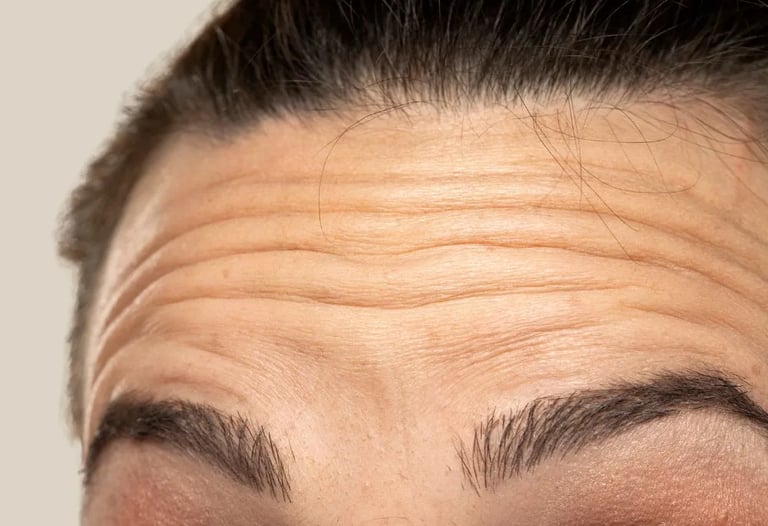
You catch your reflection in a certain light and pause. The face looking back feels older than the one you still carry in your mind.
That can be a hard thing to admit.
What makes it even harder is knowing you did the right things. You used moisturizer. You wore sunscreen. You paid attention. Yet the lines around your eyes seem deeper. The crease beside your mouth looks more permanent. Some mornings, you barely recognize yourself.
When people talk about wrinkles, they usually focus on what you can see. Dry skin. Fine lines. Crow's feet.
But wrinkles rarely start at the surface.
Your skin renews itself while you sleep. That nightly repair process depends on collagen, elastin, circulation, and moisture balance. As those systems slow down with age, the skin becomes thinner and less resilient. Every smile, squint, and frown leaves a slightly deeper mark than before.
That is why bedtime skincare matters more than most people realize.
During the day, your skin spends its energy defending itself from sunlight, pollution, and environmental stress. At night, it shifts into repair mode. Certain ingredients can support that process when applied before bed.
Retinol gets most of the attention, and for good reason. It encourages faster skin turnover and can help soften the appearance of fine lines over time. Peptides may support collagen production. Ingredients like hyaluronic acid help hold water in the skin, making wrinkles look less pronounced by morning.
But this is where people often get frustrated.
A woman carefully applies expensive creams every night for months. She follows every instruction. Then she leans toward the bathroom mirror one morning and sees the same tired-looking lines staring back.
The problem is not always the effort.
Sometimes the expectation is.
Most topical products work by improving the appearance of the skin. They can make wrinkles look softer, smoother, and less noticeable. That matters. Healthy-looking skin often looks younger.
Yet many people quietly sense there is something more happening beneath the surface.
And they are usually right.
The wrinkle you see in the mirror is often the final result of changes that began much deeper than the skin itself.
That realization changes how you look at aging.
Instead of asking which cream can erase a line overnight, you start asking what is causing the skin to lose its firmness in the first place. Why does repair slow down? Why does collagen decline? Why do some people seem to age faster than others despite using similar products?
Those questions lead to much more useful answers.
This does not mean you should stop caring for your skin. Quite the opposite. A thoughtful nighttime routine can make a visible difference. Cleansing gently, keeping the skin hydrated, and using proven ingredients consistently all have value.
But it helps to understand what those products can and cannot do.
Once you see wrinkles as a signal rather than the entire problem, the picture becomes clearer. The surface matters, but it is only one piece of the story.
If you've tried everything and still feel disappointed, that does not automatically mean you chose the wrong products. It may mean you have been focusing on the symptom while something deeper deserves attention.
I understand that feeling because I went through it myself.
After going through this myself, I put together a short free video that goes deeper into exactly this and explains the underlying factors most people never hear about when they are trying to address wrinkles.
If you're skeptical, that's completely reasonable. I was too. But visible signs of aging tend to become harder to reverse as those deeper changes continue, so understanding what is happening sooner gives you more options later.
✨ Ageless Skin Secret
This website contains affiliate links. If you make a purchase through one of these links, I may receive a small commission at no additional cost to you. The experiences shared on this site are personal and individual. Results are not guaranteed and can vary from person to person. All content is provided for informational purposes only and should not be considered medical advice. Always speak with a qualified healthcare professional before beginning any new health protocol or supplement.
Contact
legal
© 2024. All rights reserved.