What Really Helps Wrinkles Fade Faster
6/28/20262 min read
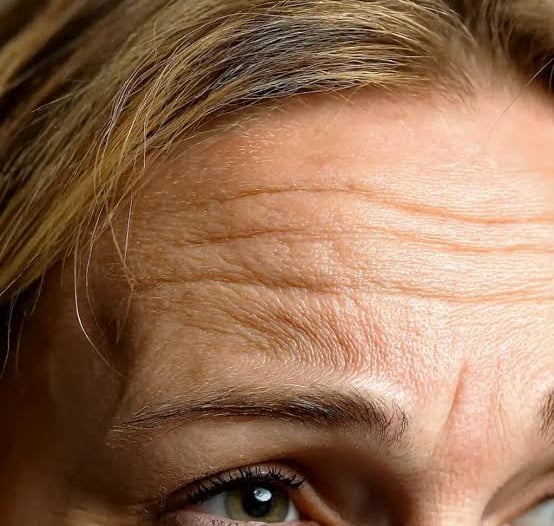

You catch your reflection in bright light and pause a little longer than you used to. The lines seem deeper, your skin looks tired, and no matter how carefully you moisturize or protect it from the sun, you still feel like you're aging faster than you expected.
That feeling is hard to explain to anyone else. You know wrinkles are normal, but that doesn't make it easier when the face looking back at you feels unfamiliar.
If you're searching for a way to get rid of wrinkles fast, you deserve an honest answer. No cream can erase years overnight. But your skin can often look smoother, brighter, and healthier when you understand what is actually changing beneath the surface.
Most wrinkles don't appear because your skin suddenly becomes dry. Dryness simply makes existing lines stand out more. The deeper change happens lower down, where collagen and elastin give your skin its strength and flexibility. As the years pass, your body naturally makes less of both. Sun exposure, poor sleep, stress, smoking, and repeated facial movements can speed that process up.
That explains why moisturizer sometimes feels disappointing. It can soften the outer layer of your skin and reduce the appearance of fine lines for a while, but it cannot rebuild the deeper support structure on its own.
Think about someone who never skipped sunscreen, applied quality skincare every night, and still noticed their smile lines becoming more obvious after a stressful year. That isn't failure. It simply shows that healthy skin depends on much more than what touches the surface.
Your skin also repairs itself mostly while you sleep. During that time, it replaces damaged cells, supports collagen production, and restores moisture balance. Consistently poor sleep leaves less time for those repairs. The same goes for long periods of unmanaged stress, which can increase inflammation and make skin appear older than it really is.
Food matters too, though perhaps not in the way social media often suggests. Your skin needs protein to build collagen. It also benefits from vitamins, healthy fats, and hydration. No single food removes wrinkles, but a steady supply of nutrients gives your skin the materials it needs to maintain itself.
Retinoids, vitamin C, and daily sunscreen remain some of the most studied skincare ingredients because they address different parts of the aging process. They help gradually improve skin texture and reduce further damage. The important word is gradually. Real skin changes take time because your skin renews itself in cycles, not overnight.
The biggest mistake isn't choosing the wrong cream. It's believing wrinkles begin at the surface when the real changes start much deeper inside the skin.
Once you see that difference, the endless search for the next expensive moisturizer starts making less sense. Instead, you begin looking at the habits and biological changes that influence how your skin repairs itself every day. That shift often leads to better decisions and more realistic expectations.
You cannot stop time, but you can support the systems your skin depends on. Small improvements, repeated consistently, often create changes that feel far more noticeable than constantly switching products in search of instant results.
After going through this myself, I put together a short free video that goes deeper into exactly this because I wished someone had explained it to me much sooner.
You may still doubt that another video is worth your time, and that's understandable. I created this free video to explain the deeper factors behind visible skin aging in plain language, so you can better understand what may actually be influencing your wrinkles. The longer those underlying changes continue without attention, the harder they can become to reverse through surface care alone.
✨ Ageless Skin Secret
This website contains affiliate links. If you make a purchase through one of these links, I may receive a small commission at no additional cost to you. The experiences shared on this site are personal and individual. Results are not guaranteed and can vary from person to person. All content is provided for informational purposes only and should not be considered medical advice. Always speak with a qualified healthcare professional before beginning any new health protocol or supplement.
Contact
legal
© 2024. All rights reserved.